Understanding electric vehicles challenges traditional automotive norms, offering a bold new path in a world increasingly focused on sustainability and technological innovation. Unlike the internal combustion engine, the electric vehicle landscape introduces unique complexities and demands not previously encountered.

Navigation through these complexities requires solutions tailored specifically for electric vehicles, addressing issues such as:
- Battery management
- Charging infrastructure
- Software integration
As the transition to electric vehicles accelerates, manufacturers, technicians, and consumers must adapt to a rapidly evolving industry landscape that combines traditional engineering with cutting-edge technology. Solutions need to prioritize:
- Efficiency
- Safety
- Environmental impact
All these priorities must be addressed while ensuring a seamless user experience.
By exploring innovative practices and emerging technologies, stakeholders can effectively tackle the myriad challenges associated with electric vehicles. A comprehensive understanding of the unique requirements of electric automobiles will pave the way for smoother transitions and long-term success in adopting this transformative mode of transportation.
For those seeking more information or resources on electric vehicles, it’s just a click away.
Battery Optimization Techniques
Several innovative battery optimization techniques are enhancing the performance and longevity of electric vehicles.
Battery Management Systems (BMS) play a crucial role by:
- Monitoring and regulating battery health
- Ensuring optimal energy usage
- Extending battery life
These systems provide real-time data, allowing for precise control and adjustment, which promotes a sense of reliability and trust among electric vehicle users.
Fast Charging Infrastructure complements BMS by:
- Reducing charging times
- Improving convenience for drivers
The implementation of widespread fast charging networks fosters a community of electric vehicle enthusiasts by addressing range anxiety and supporting seamless long-distance travel.
The Human-Machine Interface (HMI) further contributes to battery optimization by:
- Offering intuitive user interactions and feedback
- Enabling drivers to make informed decisions regarding energy consumption and charging practices
Through advanced displays and controls, HMI creates a cohesive and inclusive experience for electric vehicle owners, enhancing their sense of belonging within the growing electric mobility community.
Together, these elements ensure efficient battery utilization and a sustainable driving experience.
Advanced Charging Solutions
Innovative Charging Solutions are revolutionizing the electric vehicle landscape by enhancing efficiency and accessibility for users worldwide.
Advanced Battery Management Systems (BMS) play a crucial role in this transformation by:
- Optimizing battery life
- Enhancing energy usage
BMS technology ensures that each cell within the battery pack operates within safe parameters, thereby prolonging the lifespan and performance of electric vehicles.
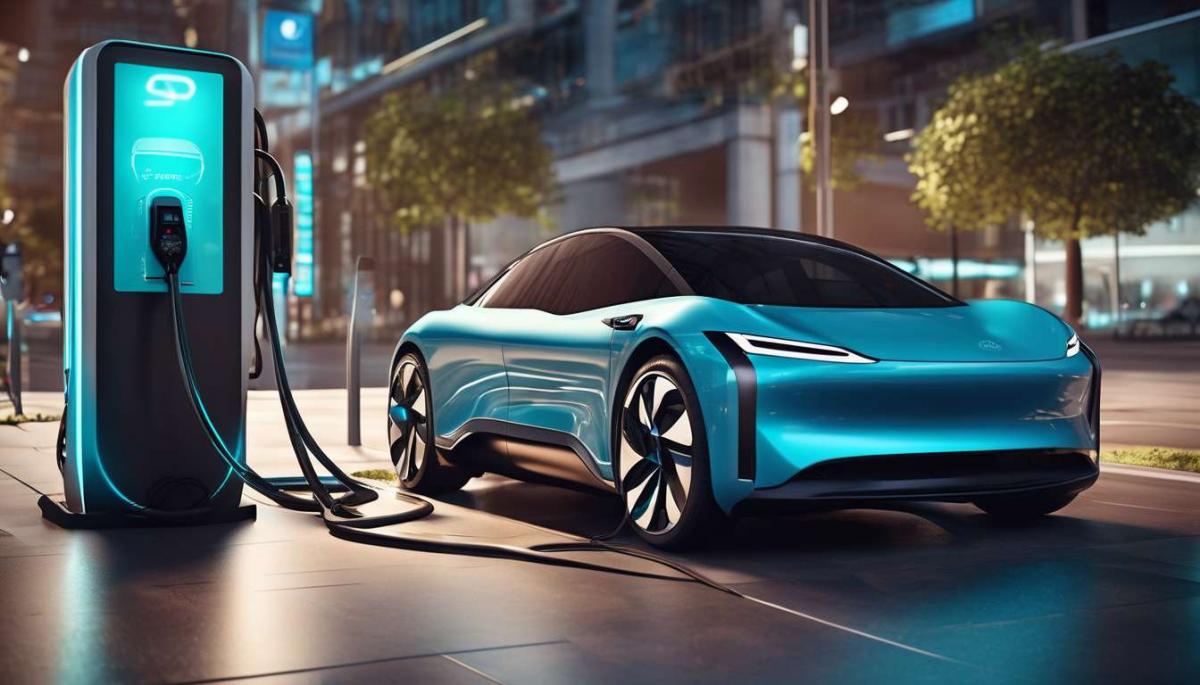
Fast Charging Infrastructure is becoming increasingly widespread, providing:
- A significant reduction in charging times
- Encouragement for the adoption of electric vehicles
This infrastructure enables users to quickly recharge their vehicles, addressing one of the primary concerns associated with electric vehicle ownership.
Human-Machine Interface (HMI) Integration in charging stations facilitates user interaction by offering:
- Seamless experience during the charging process
- Intuitive navigation
- Real-time updates on charging status
These features contribute to the overall satisfaction and confidence of electric vehicle users.
Together, these advancements foster a sense of community among electric vehicle enthusiasts and promote sustainable transportation solutions.
Software Integration Strategies
Effective software integration strategies enhance the synergy between electric vehicle systems and charging networks, streamlining operations and improving user experiences.
By aligning Battery Management Systems with Fast Charging Infrastructure, seamless communication and data exchange are promoted, resulting in:
- Optimized charging cycles
- Extended battery lifespan
This integration ensures that electric vehicles operate efficiently, meeting the expectations of users who seek reliability and performance.
Incorporating a sophisticated Human-Machine Interface is crucial in this context. It facilitates user interaction with vehicle systems by providing:
- Real-time insights into battery status
- Charging progress
This transparency fosters confidence among users, reinforcing their sense of community within the electric vehicle ecosystem.
Moreover, software solutions must be adaptable, accommodating:
- Advancements in charging technology
- Emerging user preferences
By prioritizing these integration strategies, electric vehicle stakeholders can collectively enhance the overall functionality and appeal of electric transportation.
This collaborative approach resonates with the community, ensuring that technological advancements align with the aspirations and needs of those engaged in the electric vehicle journey.
Safety Protocol Enhancements
Ensuring the highest safety standards in electric vehicles requires the implementation of comprehensive safety protocols that address potential hazards and enhance occupant protection.
Central to this is the optimization of Battery Management Systems, which are crucial for:
- Monitoring and regulating battery performance
- Preventing overheating and electrical surges
- Detecting anomalies to ensure vehicle reliability and safety
Fast Charging Infrastructure also demands attention due to its unique challenges:
- Maintaining safety while delivering rapid energy replenishment
- Incorporating robust safety mechanisms to prevent overcurrent and short-circuit conditions
- Ensuring both vehicle and user safety
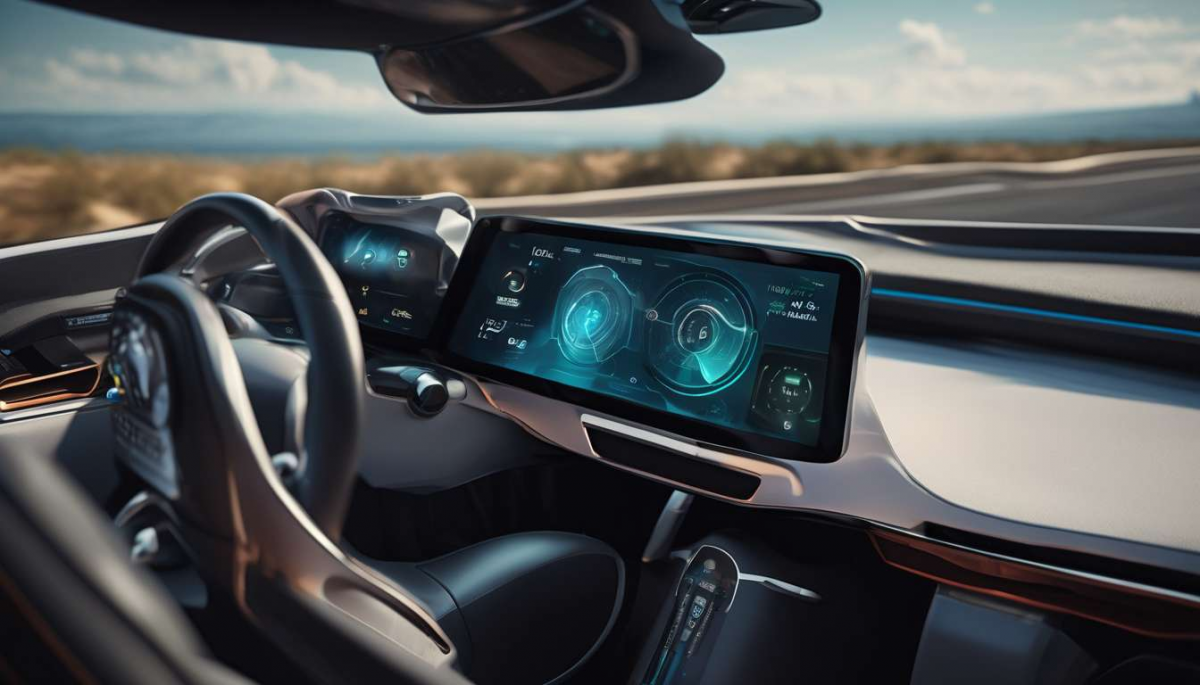
The Human-Machine Interface is another pivotal aspect, which focuses on:
- Providing intuitive and clear communication between the vehicle and the driver
- Enhancing situational awareness
- Enabling timely responses to safety alerts to reduce the risk of accidents
Through these measures, electric vehicle safety protocols foster a sense of collective responsibility and assurance, reinforcing confidence among users and stakeholders.
Sustainable Manufacturing Practices
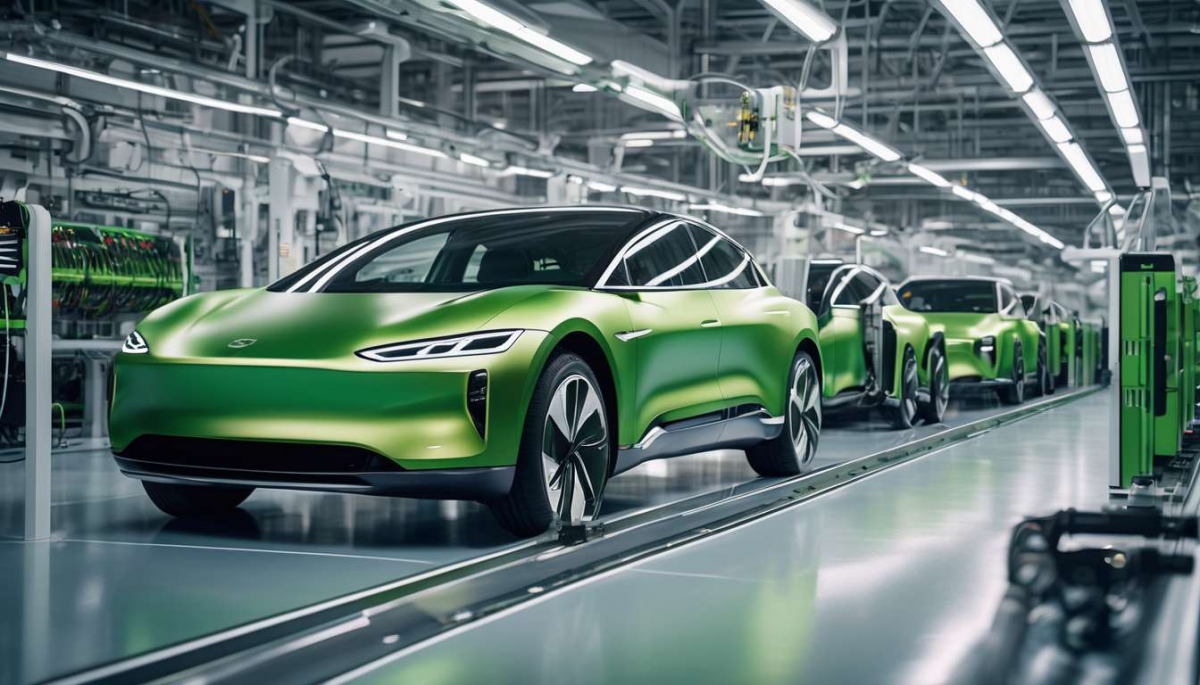
Sustainable Manufacturing Practices in the electric vehicle industry are centered around minimizing environmental impact through efficient resource use and eco-friendly production methods.
Key Aspects:
-
Advanced Battery Management Systems (BMS):
- Enhance battery lifespan.
- Optimize energy consumption.
- Significantly reduce waste.
- Reflect a commitment to environmental stewardship, appealing to stakeholders seeking sustainable solutions.
-
Fast Charging Infrastructure:
- Minimizes idle time for vehicles.
- Reduces energy loss.
- Supports a seamless transition to electric mobility.
- Fosters a sense of community among users who prioritize sustainability.
-
Human-Machine Interface (HMI):
- Enables intuitive interaction between drivers and vehicles.
- Facilitates efficient energy use.
- Ensures drivers can easily monitor and adjust energy consumption.
Through these collective efforts, the electric vehicle industry demonstrates its dedication to creating a sustainable and inclusive future for all.
User-Centric Experience Design
A user-centric experience design prioritizes intuitive interfaces and seamless interactions, ensuring electric vehicle drivers enjoy a smooth and engaging journey.
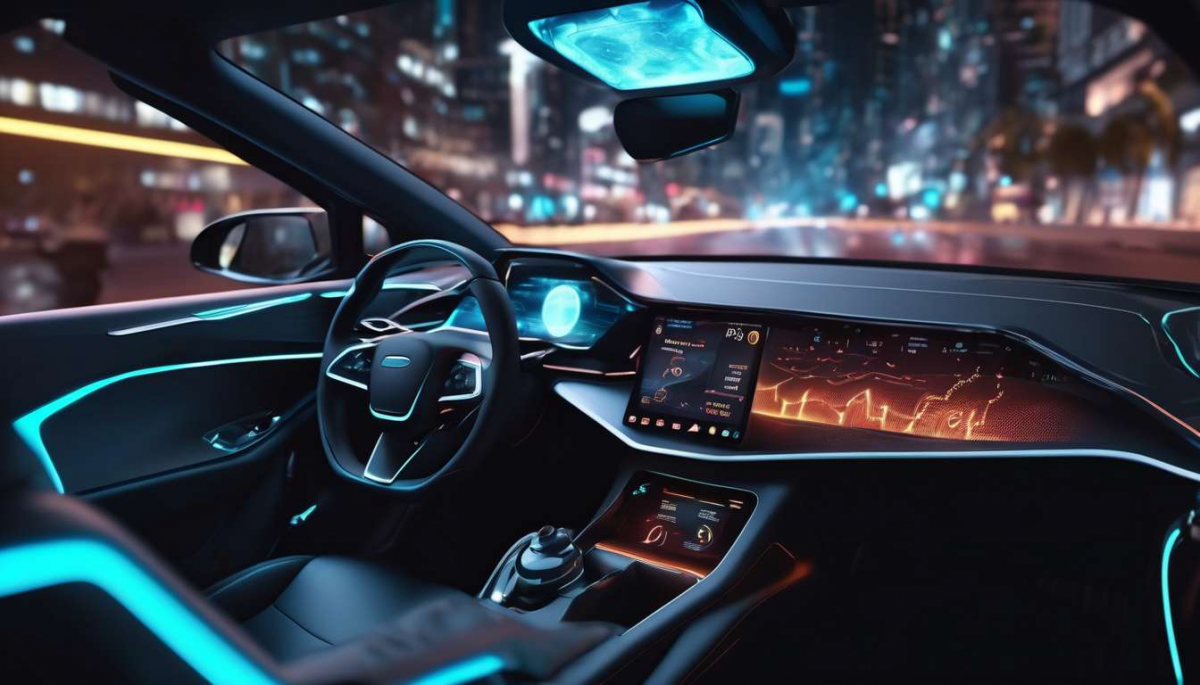
The integration of advanced Human-Machine Interface (HMI) technology allows for enhanced communication between the driver and the vehicle. This facilitates real-time feedback and easy navigation through vehicle functionalities. This approach fosters a sense of belonging among users, as they feel more connected and in control of their driving experience.
Battery Management Systems (BMS) play a crucial role in monitoring and optimizing battery performance, ensuring longevity and reliability. By providing valuable insights and predictive analytics, BMS aids in:
- Maximizing efficiency
- Minimizing range anxiety, a common concern among electric vehicle users
The development of Fast Charging Infrastructure is essential to support the growing demand for quick and convenient charging solutions. This infrastructure enables electric vehicle drivers to recharge rapidly, thereby:
- Enhancing the overall user experience
- Promoting widespread adoption of electric vehicles